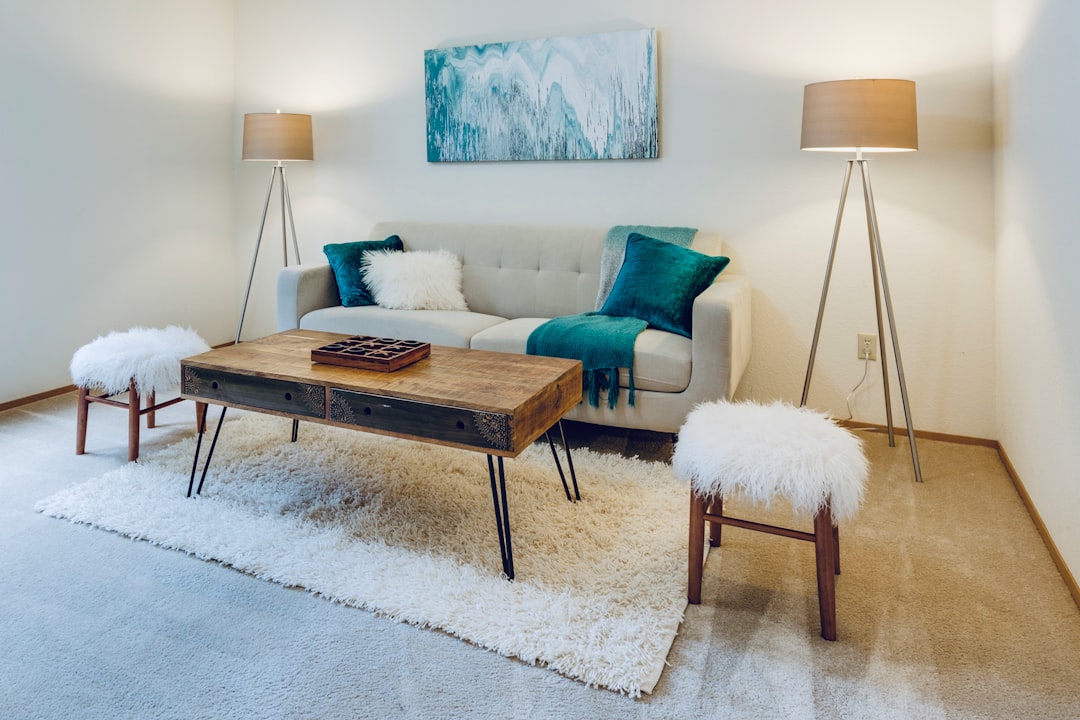
The 12 sqm HDB master bedroom demands ottomans under 60cm wide—anything larger eats into precious walking space between bed and wardrobe. Condo living rooms tolerate 80cm models, but only if they double as coffee tables with lift-top storage. Humidity warps particle board within months; kiln-dried rubberwood survives Singapore’s wet seasons without cracking at the joints.
Most buyers prioritise hidden storage for spare blankets or seasonal clothing—ottomans with hinged lids beat footstools here. Deep seats (45cm+) work for impromptu guest seating, though anything above 50cm height strains knees when used as footrests. Megafurniture’s collection offers compact options with drop-down trays, turning them into makeshift side tables during gatherings.
Condo dwellers leaning toward larger pieces should measure twice: an 80cm ottoman fits perpendicular to most 3-seater sofas, but blocks balcony access in newer BTO layouts. An ottoman is one of the most under-rated pieces in a small Singapore living room — extra seating when guests come over, footrest during the daily wind-down, sometimes a coffee-table substitute when the room layout demands flexibility. Megafurniture's Ottoman collection covers footrest, square, lift-top storage, and round designs in fabric, leather, faux leather, velvet, and rattan. Lift-top storage variants typically hold 60–80 litres of contents — useful for blankets, board games, or seasonal items.. Darker upholstery hides scuffs in high-traffic areas, while performance fabrics resist curry stains during festive visits.
Rubberwood frames add $200–$400 to the price tag, yet outlast cheaper alternatives by years. The calculus changes for ground-floor units—termites favour MDF, making metal legs non-negotiable. Storage ottomans in kids’ rooms inevitably become toy chests; consider rounded corners and soft-close hinges.
Small-space dwellers repurpose narrow ottomans (40cm width) as bedside tables in tight bedrooms. That extra 20cm of clearance matters when navigating past open wardrobe doors at 2am.
Ground-floor HDB flats near Eunos MRT see 85% humidity by July—that’s when MDF ottomans start warping at the seams, leaving gaps where cockroaches creep in after monsoon season. Stainless steel legs outlast powder-coated alternatives by three to five years in these conditions; the extra $80–$120 upfront buys peace of mind when wiping down condensation every other morning.
Teak storage ottomans handle the chaos of wet umbrellas better than most materials—Megafurniture’s versions use kiln-dried slats that resist swelling, though you’ll still want to wipe spills within an hour to prevent watermarks. Their lift-top designs work for 4-room BTO living rooms where floor space disappears during gatherings; toss in spare blankets or board games, then double as impromptu seating when aunties visit unannounced.
Rubberwood’s a decent compromise if teak stretches the budget, but avoid anything with particleboard cores—even sealed edges fail when humidity lingers above 80% for weeks. For recliner owners pairing footrests, skip fabric upholstery unless it’s performance-grade polyester; ordinary cotton blends develop musty odours by year two in Bedok’s salty coastal air.
The real test comes during December downpours, when shoes track water across the vinyl flooring. That’s when you’ll notice which ottoman legs leave rust rings—and which ones still open smoothly after 200 cycles of damp slippers propped on the cushion.
In a 4-room resale flat, every centimetre counts — especially in the living room, where guests often gather. Two 45cm round ottomans can tuck neatly into corners or slide beneath a coffee table when not in use, unlike a bulky 90cm square piece. This setup maximises floor space, keeping HDB corridor clearance unobstructed. For families with kids or pets, the smaller ottomans are easier to move around, adapting to daily needs. Round shapes also reduce sharp edges, making them safer in tighter quarters.
L-shaped sofas dominate many HDB living rooms, but they often leave awkward gaps in seating arrangements. Two round ottomans can fill these gaps seamlessly, providing extra spots for guests without overcrowding the space. They can also double as footrests or makeshift side tables with a tray on top. When hosting larger gatherings, homeowners can easily reposition the ottomans to create a more conversational layout. This adaptability makes them a practical choice for multi-functional living spaces.
Ottomans with built-in storage are a game-changer for 4-room flats, where clutter tends to accumulate. Two smaller ottomans offer more storage capacity than a single larger one, allowing homeowners to organise items like blankets, toys, or magazines more efficiently. Lift-top designs are particularly useful for quick access, while fabric-lined interiors protect delicate items. This dual-purpose functionality ensures that the ottomans aren’t just seating — they’re also practical storage units.
Round ottomans come in a variety of materials and finishes, from performance velvet to leather, allowing homeowners to match their existing decor. Neutral tones like beige or grey blend effortlessly with most colour schemes, while bold hues can add a pop of personality. Textured fabrics like bouclé elevate the ottomans’ aesthetic, making them feel like intentional design choices rather than afterthoughts. With so many options, it’s easy to find pieces that complement both modern and traditional interiors.
Buying two smaller ottomans instead of one large piece can be more budget-friendly, especially when prioritising quality materials. Prices typically range from $150 to $300 per ottoman, depending on fabric and construction. This allows homeowners to invest in durable, stylish options without overspending. Additionally, purchasing in pairs ensures consistency in design and functionality, avoiding the hassle of mismatched pieces. For those watching their finances, this approach offers both practicality and aesthetic appeal.
Cat claws leave their mark — literally. In HDB flats where space constraints push ottomans into daily use as both seating and scratching posts, polyester upholstery with at least 180 GSM density typically survives three years before showing significant damage, according to local pet owners’ reports. Linen’s a non-starter near litter boxes; the fabric traps odours and shreds under determined pawing, leaving you with a frayed mess by the second year.
Showrooms rarely account for feline testing, but there’s a workaround. Loop key rings around the corners of fabric swatches — if the metal catches fibres after five firm tugs, that ottoman won’t last the season. Performance velvet and tight-weave bouclé hold up better than most, though dark patterns hide minor pulls better than solids.
Storage ottomans double as territorial battlegrounds when placed near windows or doorways. Cats favour corners for scratching, so opt for rounded designs or position square models flush against walls. One Ang Mo Kio owner swears by rotating her 50cm cube ottoman weekly to distribute wear; after four years, the damage remains even enough to pass as "texture".
Megafurniture’s Joo Seng showroom keeps sample books behind the counter — ask to compare polyester blends side-by-side before committing. The Tampines branch has a Somnuz® mattress display, but ignore the sales pitch; what matters is whether the fabric can withstand 3am zoomies.
The Joo Seng showroom’s replica HDB door frame sits at 78cm — a silent test for any furniture piece that needs to clear the threshold. Buyers often forget to measure their own doorways, only realising the sofa won’t fit when delivery day arrives. Megafurniture’s modular ottomans sidestep the issue entirely; their segmented design fits through narrow entries, then reassembles to tackle awkward BTO living room corners where standard rectangles won’t sit flush. Storage ottomans here pull double duty — they’re footrests for recliner sofas by day, impromptu seating when relatives visit during festive seasons. The 50cm square versions tuck neatly under console tables in 4-room flats, while wider 70cm models work as coffee table substitutes when topped with a tray. Families favour the ones with slow-close lids; toddlers’ fingers are safer, and the mechanism stays quiet during midnight snack raids. Fabric choices matter more than most buyers expect. Performance velvet resists sticky fingerprints in homes with kids, while linen blends suit air-conditioned spaces where condensation isn’t a concern. The showroom’s display units are all pre-treated for spills — a detail worth noting when comparing against online listings that don’t mention stain protection. Modular designs solve one persistent headache: irregular layouts in newer BTOs. Where a standard L-shaped sectional might leave dead space near the service yard door, two or three ottomans can fill the gap without looking makeshift. Their weight distribution helps too; lighter than coffee tables, they won’t leave dents in vinyl flooring when rearranged weekly for movie nights. The real test comes when measuring for pathways. A 40cm ottoman slides easily between sofa and TV console, but anything over 60cm demands a rethink of traffic flow — especially in narrow 3-room flats where every centimetre counts.
Browse the optionswith a tape measure in hand, marking the floor with masking tape to visualise clearances.

Singapore’s humidity turns fabric warranties into ticking time bombs—especially for ottomans doubling as footrests, where sweaty bare feet and monsoon dampness conspire to fade upholstery faster than buyers expect. That ‘lifetime’ coverage? It typically voids the moment mould creeps into the seams, which in Bedok flats happens around the 18-month mark.
Megafurniture’s 5-year warranty stands out for explicitly covering monsoon-related damage, but even their policy has quirks: clause 4.3 limits fading claims to ‘unnatural discolouration’, a term vague enough that stains from wet umbrellas propped against the ottoman might not qualify. Buyers in ground-floor units near Eunos MRT should scrutinise whether ‘humidity protection’ includes salt air corrosion—common near coastal neighbourhoods, yet rarely mentioned in fine print.
The real trap lies in storage ottomans. When buyers stash spare blankets inside, trapped moisture warps plywood bases within two rainy seasons; warranties often blame ‘improper use’ rather than admitting the design flaw. One Tampines homeowner learned the hard way after her $1,200 velvet ottoman’s hinges rusted shut—the ‘10-year hardware guarantee’ excluded ‘environmental factors’, a category spanning everything from afternoon thunderstorms to aircon condensation.
Rubberwood frames fare better than MDF in 4-room BTOs, but only if the warranty specifies joint reinforcement. Most don’t. That slight wobble when using the ottoman as a coffee table? It’ll be dismissed as ‘normal wear’ once the 90-day defect window closes.
For recliner owners pairing footrests, check if ‘weight limits’ account for teenagers lounging diagonally—a 60kg cap sounds generous until three cousins pile on during CNY. Sales staff rarely mention that exceeding it voids fabric coverage entirely.
Recliner owners often face the ottoman dilemma — pairing a compact footrest with a sprawling chair. It’s a common sight in HDB living rooms: a 210cm recliner dominating the space while a tiny 55cm ottoman sits awkwardly nearby. Height-matching solves the issue; a 55cm ottoman can work if its seat aligns with the recliner’s footrest level, ensuring comfort without visual imbalance.
Can an ottoman store queen-size bedsheets? Yes, but it’ll need at least 50L capacity. For families in 4-room BTO flats, this dual function is a lifesaver — stashing bulky linens while doubling as a footrest. Look for models with a lift-top mechanism; they’re easier to access than those with side drawers, especially in tight spaces.
Material choice matters too. Performance velvet resists stains from spills during movie nights, while rubberwood offers durability for homes with kids or pets. In many HDB layouts, a square ottoman fits better than a round one, tucking neatly into corners or under side tables.
For recliner owners, the ottoman isn’t just a footrest — it’s a balancing act between form and function. Get the height right, and it’ll blend seamlessly; skimp on storage, and you’ll regret it when the guest bed needs making.
In many landed properties, that 90-degree turn at the stairwell becomes a delivery nightmare — especially for ottomans wider than 70cm. Measure the angle and landing space before committing; some staircases barely accommodate a standard 50cm square ottoman, let alone a larger storage model. For HDB flats, built-ins often leave less room than anticipated. A 120cm ottoman might fit on paper, but without accounting for 15cm clearance around BTO cabinetry, it’ll end up blocking access to drawers or doors.
Bringing fabric swatches to the Tampines showroom is a smart move, particularly if you’re pairing an ottoman with an existing sofa. Lighting in-store can skew colours — that grey bouclé might look taupe under fluorescent bulbs, only to clash with your living room’s warmer tones. Performance fabrics like Crypton or Sunbrella are practical choices for households with kids or pets, but they don’t always match traditional upholstery.
Ottomans in compact spaces often pull double duty, shifting from footrest to coffee table to extra seating. A 40cm round model works well in a 12 sqm HDB common bedroom, while larger rectangular versions suit 4-room BTO living rooms. Just remember: multi-functional doesn’t mean one-size-fits-all. That storage ottoman you’re eyeing might solve your clutter problem, but it’ll frustrate you daily if it’s too deep for comfortable footrest use.